Youth-led carbon removal · Indonesia

Helping farmers,
healing soil,
removing carbon.

We turn crop residue that would otherwise be burned into biochar, a stable, soil-enriching carbon that raises yields for farmers and stores carbon in the ground for centuries. We start small, prove it in the field, and grow one village at a time.

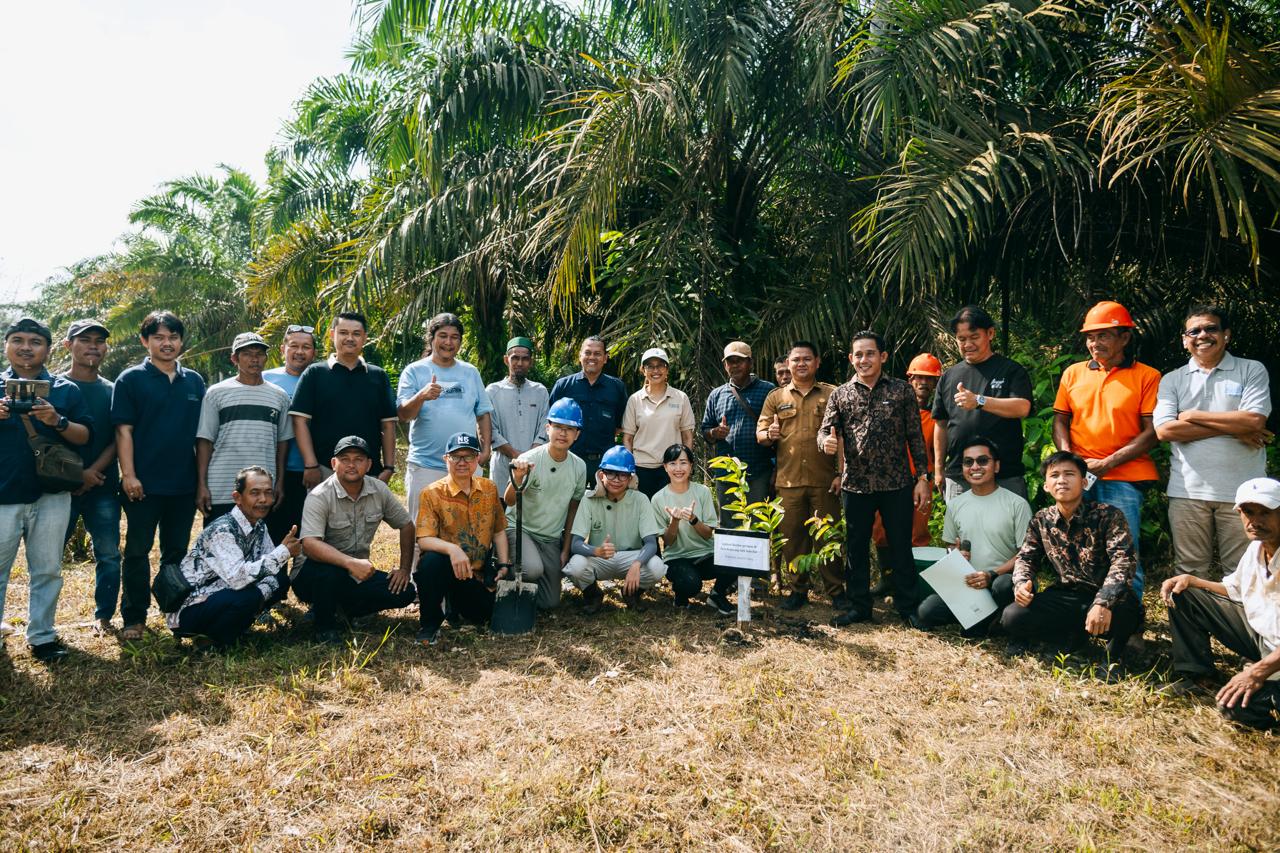
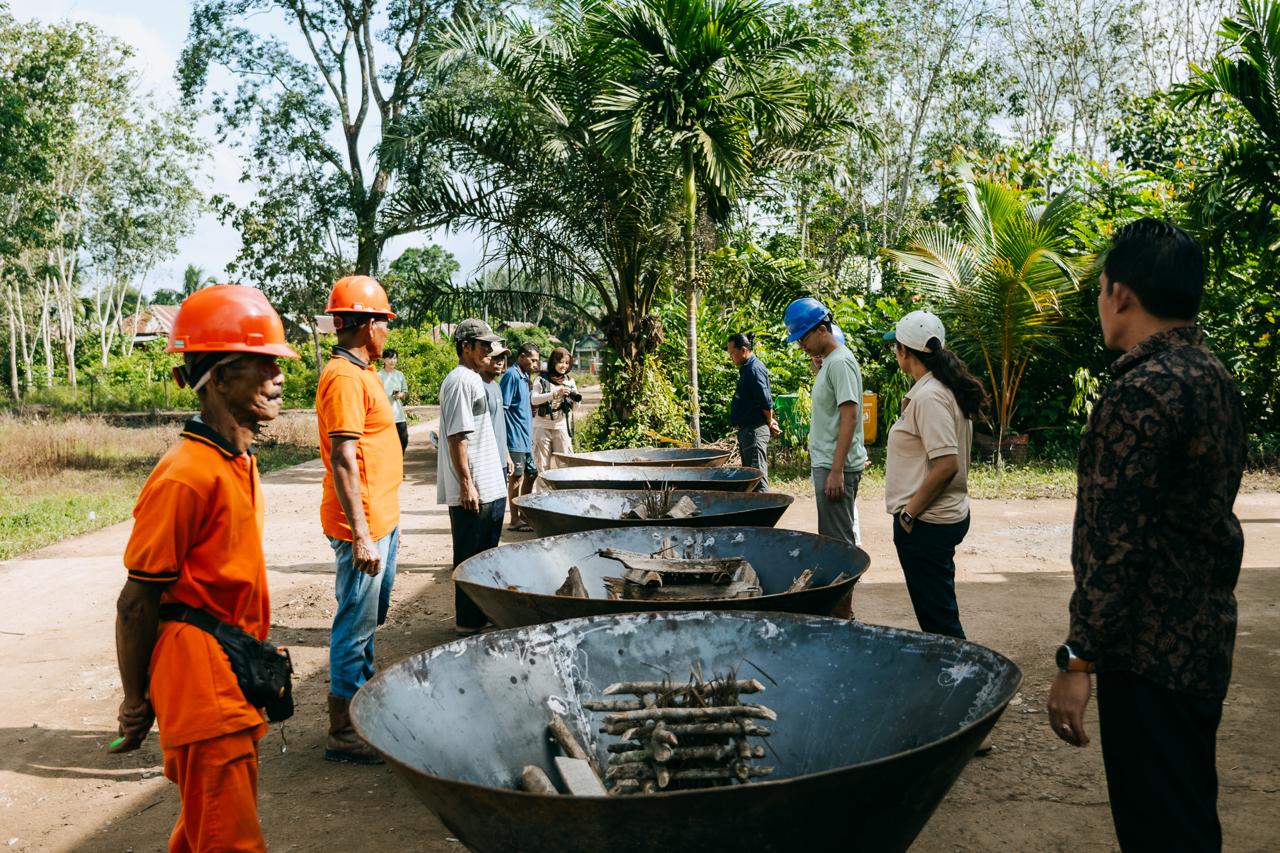
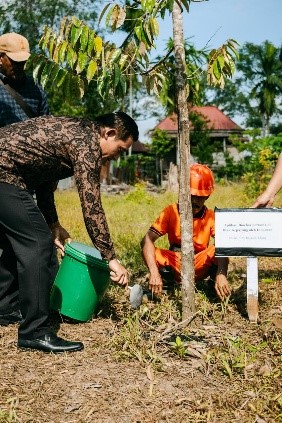
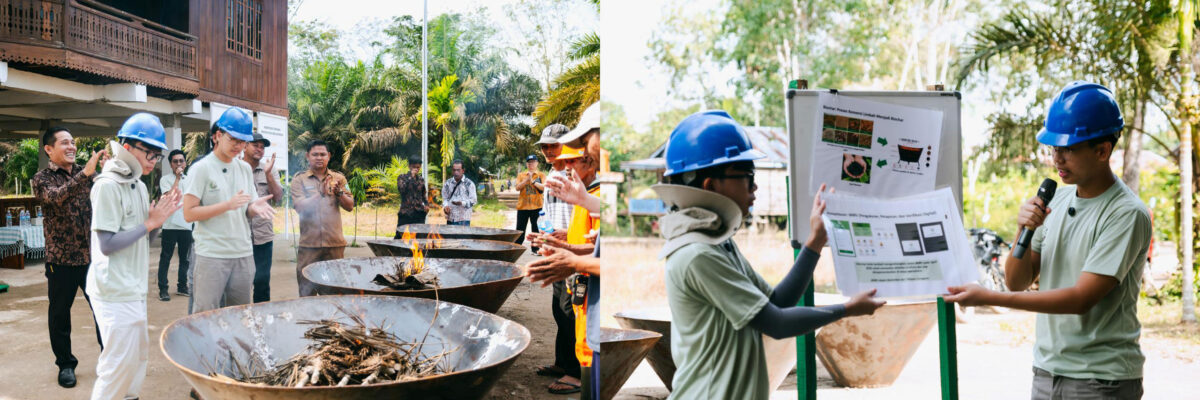
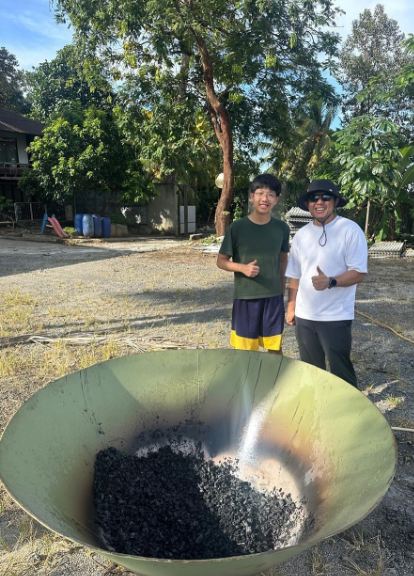
Biochar field work in Kepayang, Indonesia
Project site
Kepayang, Musi Banyuasin
MethodKon-Tiki kiln
FeedstockFarm residue
Founded2025 · student-led
ModelCircular economy
SUSTAINABLE DEVELOPMENT GOALS (SDG)

One intervention, measurable impact, aligned to the Global Goals.

FARMERS
+13% average yield (up to +35–40% in acidic tropical soils) and free biochar fertiliser.
CLIMATE
Durable carbon locked for 100+ years; methane and open-burning emissions avoided.
COMMUNITY
Cleaner village air, new rural jobs, and revenue reinvested locally.
SUSTAINABLE DEVELOPMENT GOALS WE ADVANCE
SDG 2: Zero Hunger
SDG 8: Decent Work and Economic Growth
SDG 11: Sustainable Cities and Communities
SDG 12: Responsible Consumption and Production
SDG 13: Climate Action
SDG 15: Life on Land
SDG 17: Partnerships for the Goals
Who we are

From Students to Climate Action

IndoChar began with a simple observation: across Indonesia, mountains of leftover biomass are burned every harvest, polluting the air and wasting a resource that could be healing the land instead.

"Dream big, start small", proving the concept one village at a time.
Teamwork

We’re a group of high school students who care deeply about the Earth. Our mission is to fight climate change, not with fancy machines, but with smart ideas and a love for nature

In many places, leftover biomass are just burned, which pollutes the air. But we do something different: we turn them into Biochar. This “black gold” is a powerful, natural material that helps the soil and the planet. It doesn’t just cut emissions. It goes back into the soil, helps farmers grow better crops, improves the soil, and stores carbon underground for years. It’s part of something called the circular economy, where nothing goes to waste and everything has a purpose. Better for farmers, better for the Earth, and better for all of us.

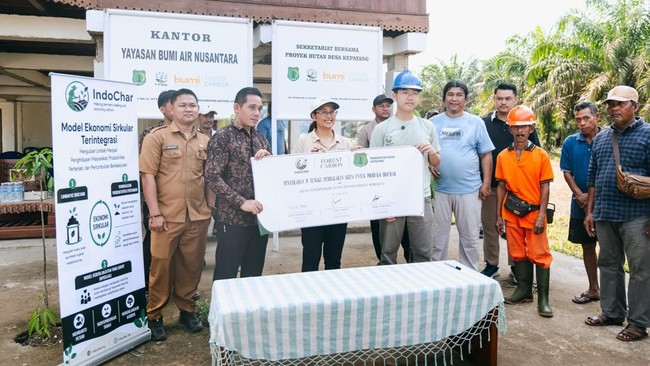
Following the completion of our pilot trial in Lampung, Indonesia, which demonstrated the feasibility of producing biochar from agricultural residues, we are now expanding the initiative to other villages. As the first step in this scale-up, we have launched our community-based biochar project in Desa Kepayang, South Sumatra, Indonesia in July 2026.

The team

Meet the team.

IndoChar is built and run by students, young people turning concern for the planet into fieldwork, one village at a time.

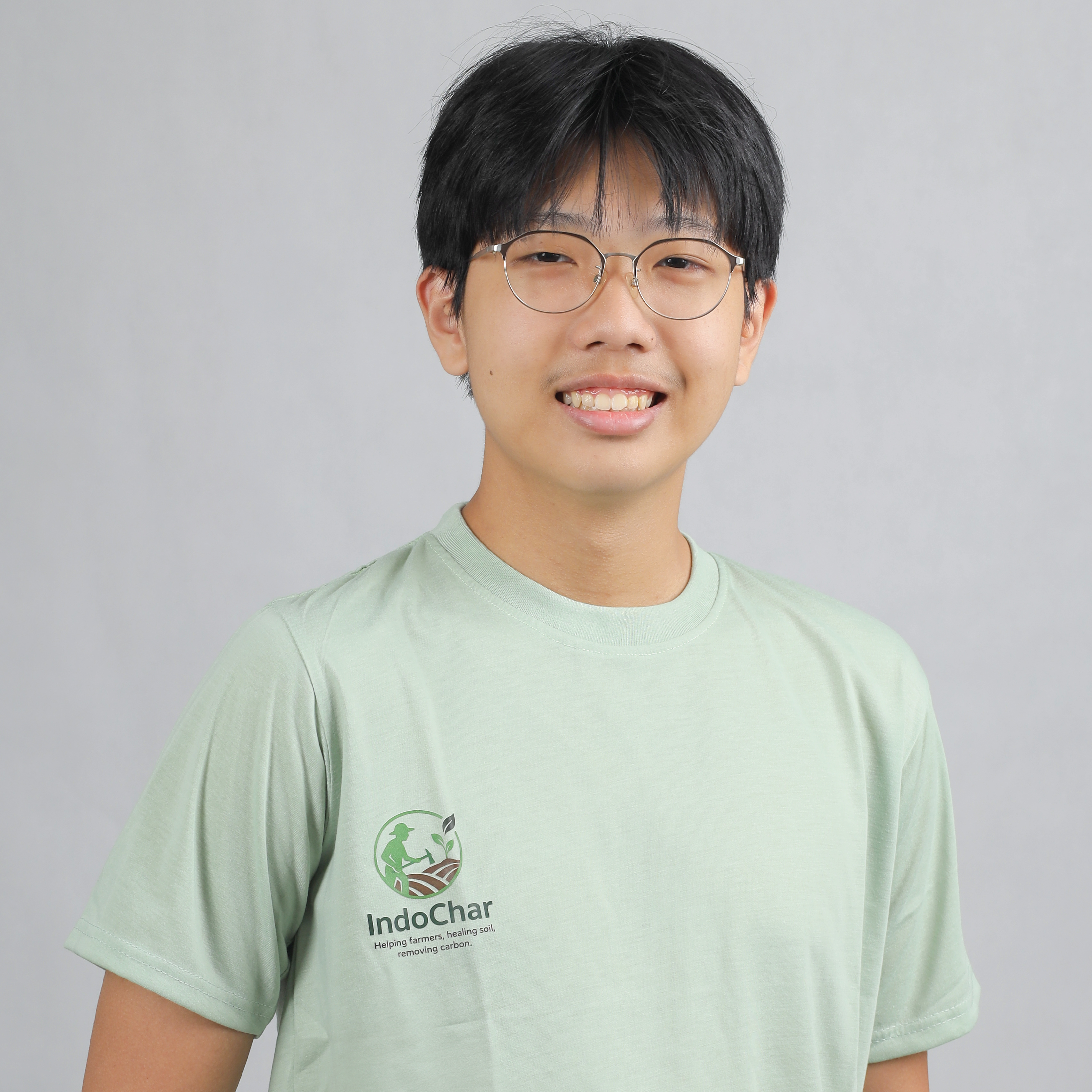
David Nathaniel Chung
Founder & CEO
David Nathaniel Chung
High School Student of Jakarta Intercultural School

“Real change starts with one step, one village, one handful of biochar at a time.”

While he lives in Jakarta, his parents are originally from Lampung. Each time he visits Lampung, he sees something that bothers him: hardworking farmers doing their best with very limited resources, often struggling to get enough fertilizer just to grow their crops.

During his internship with Forest Carbon in June 2025, he also got the chance to visit remote villages in South Sumatera where he encountered similar challenges: poor farming communities, leftover plant waste (biomass) being burned and polluting the air, and limited infrastructure making access even more difficult.

Seeing all this has sparked something in him and got him thinking: What if there is a better way? What if I can help, even just a little?

That’s when he discovered biochar,a natural solution that turns farm waste into something useful for the soil. Inspired by the idea of a circular economy, David is now starting small: experimenting with simple tools, learning by doing, hoping to make a difference (even if it’s small) and dreaming of helping farmers improve their land while fighting climate change.

He may be young, but David believes real change starts with one step, one village, one handful of biochar at a time.
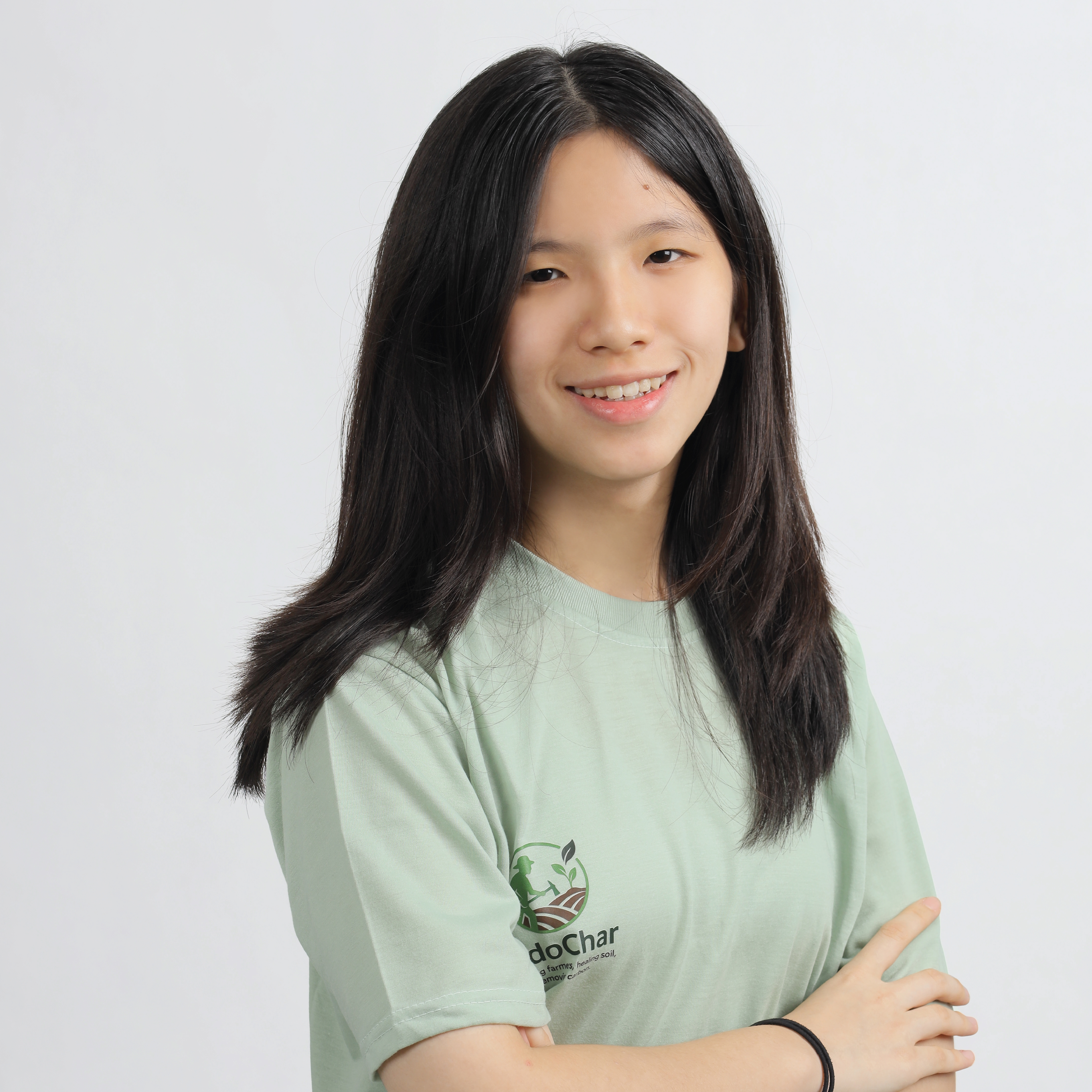
Aranya Surjawirawan
Chief Marketing Officer
Aranya Surjawirawan
High School Student of Springfield International School

“Helping people and the planet was never two goals to me — it's one.”

She loves sports, cares deeply about the environment and someone who really doesn’t like plastic. (Just ask her parents, she’s the reason reusable bags are always in the car!)

From an early age, Aranya has always been passionate about protecting nature, keeping the planet clean and green. Whether it’s joining clean-up days or reminding people to turn off the lights, she always tries to do her part.

But what truly excites her is the chance to help both people and the planet at the same time. During a community study week organized by her school, she had the opportunity to visit small farms. She loved walking through the rice fields and feeding the animals, but what left the biggest impression on her was listening to the farmers’ stories, and understanding the challenges they face every day, learning how they grow their crops with limited resources. Since then, she’s always hoped to be part of something meaningful that can really help them. Now, together with her friend David, Aranya is a team member of IndoChar,a fun, meaningful project that turns farm waste into biochar. It’s small-scale, meaningful, and full of hope. Just like her.

Rafael Benjamin Ali
Chief Technology Officer
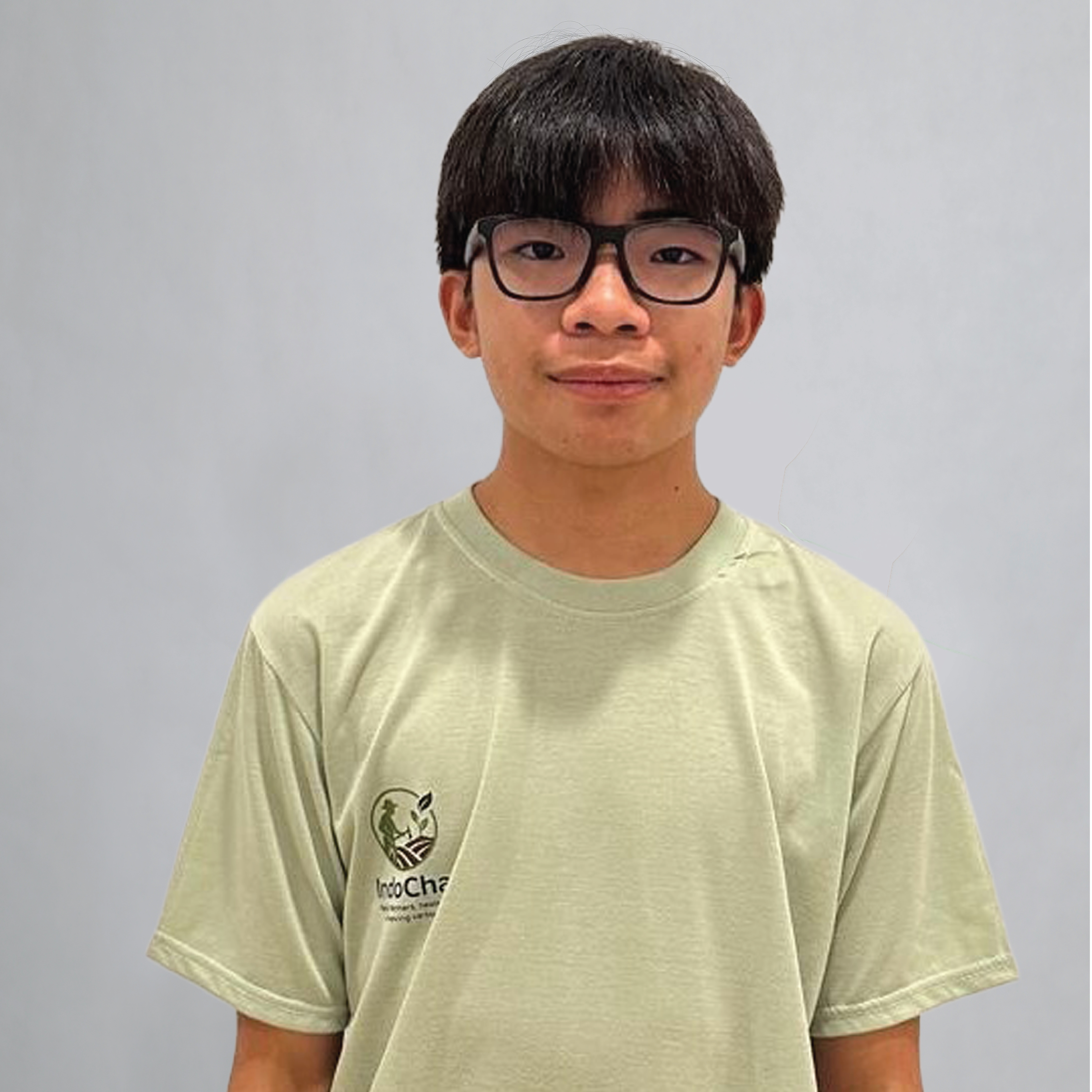
Rafael Benjamin Ali
High School Student of Jakarta Nanyang School

“The best climate tech is the simplest thing that actually changes a farmer's day.”

From a young age, he has always been fascinated by how science can be used to solve real-world problems from improving daily life to addressing global environmental challenges. His curiosity often drives him to explore how simple innovations can make a big difference in creating a more sustainable world.

Through IndoChar, Rafael has the opportunity to apply his curiosity beyond the classroom. He learns how agricultural waste can be transformed into biochar, a technology that not only improves soil health but also supports farmers and reduces carbon emissions. Working with a team of like-minded students inspires him to think critically about how youth can take part in climate action and shape a better future for Indonesia

Social impact

Small starts, measurable results.

We track every site so our impact is real, not rhetorical. Here's where things stand today, and every one of these numbers is set to grow.

Production & climate
0
kg
of agricultural waste processed
0
kg
of biochar produced
0
kg CO₂e
of carbon credit produced
Community reach
0
Farmers
impacted across our sites
0
Households
farming families reached and trained
0
Hectares
of farmland improved with biochar
0
Project Locations
Kepayang, Musi Banyuasin; South Sumatra; and South Lampung
Our direction

Vision

To turn farm waste into something good: helping farmers, healing soil, and removing carbon.

Mission

Five commitments we work to.

Each one is measurable, and each one has to hold up in the field before it counts.

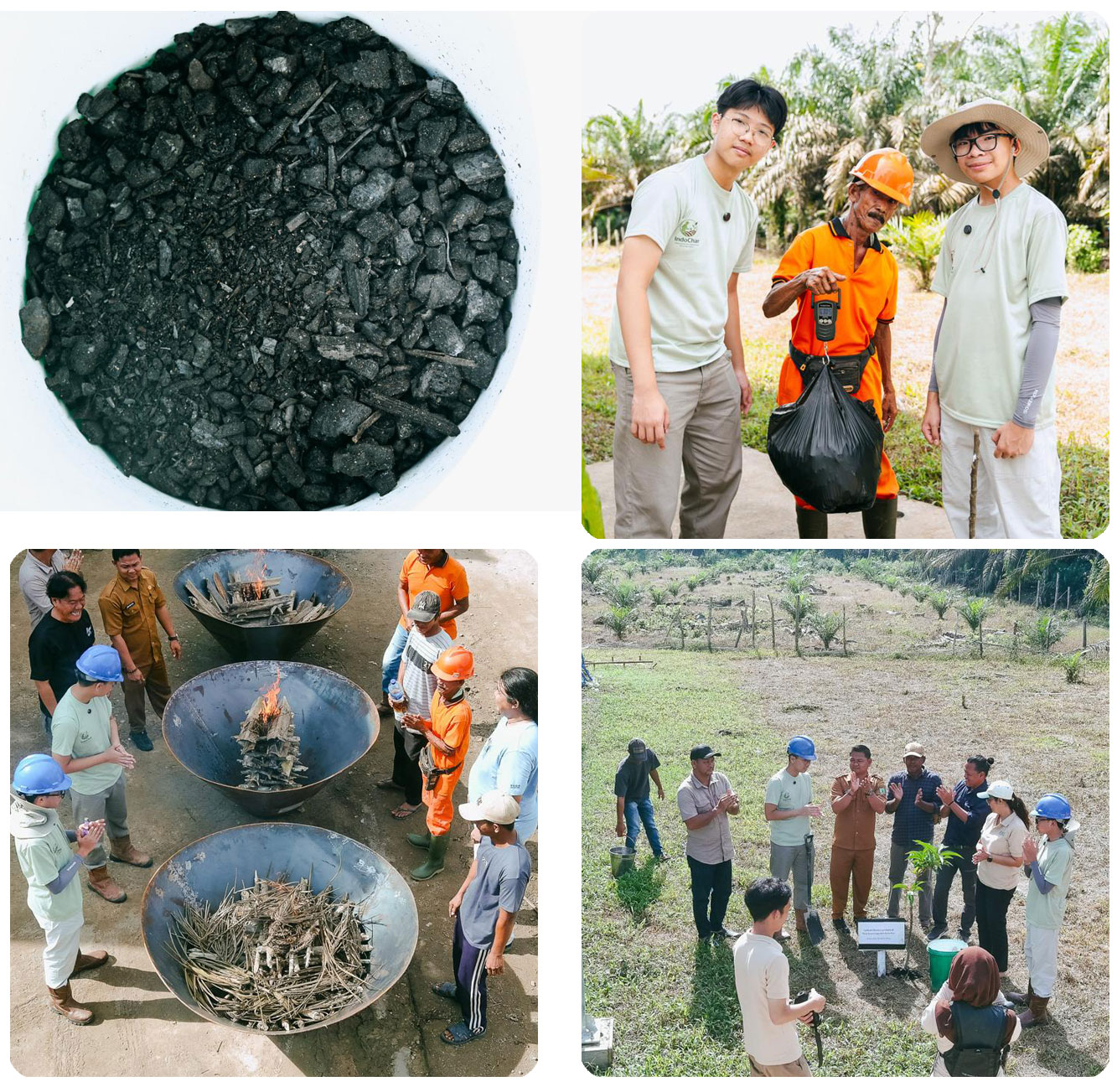
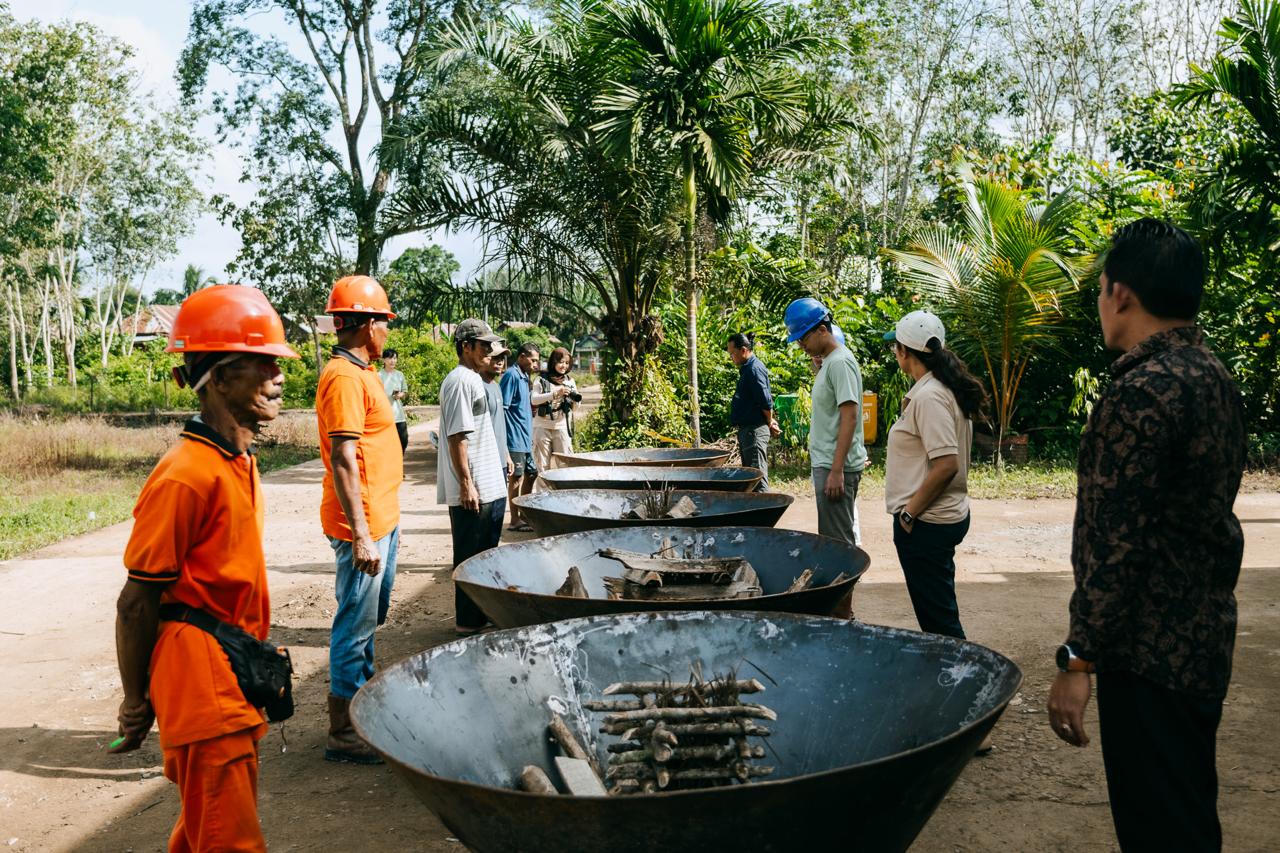
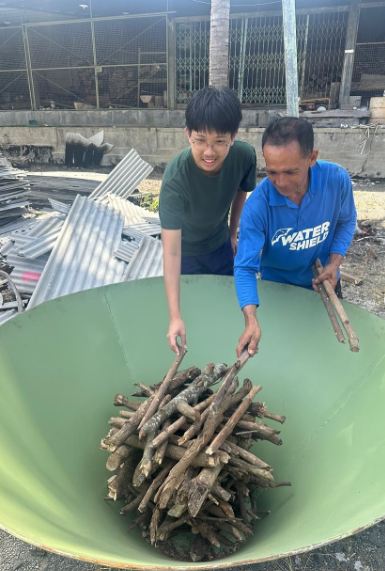
Preparing feedstock for a Kon-Tiki kiln
Feedstock preparation
Produced biochar
Finished biochar
01

ProductionTurn farm waste into biochar using easy, affordable tools.

02

FarmersHelp farmers improve their soil, crops, and income.

03

CarbonStore carbon underground and earn carbon credits to reinvest in impact.

04

CircularityShow that a circular economy works, even on a small scale.

05

ScaleStart small and grow one village, one farm at a time.

Advisors

Guided by leaders in carbon and climate finance.
IndoChar is mentored by experienced practitioners who help us build with integrity - from field methodology to carbon markets and the path to credible carbon finance.

JC

Jeffrey Chatellier

CEO & Co-Founder, Forest Carbon

Jeffrey is CEO and co-founder of Forest Carbon, an Indonesian environmental-asset company founded in 2010 and today one of the country's leading nature-based carbon project developers. He brings more than a decade of experience building high-integrity carbon projects and supporting local communities.

JH

Joel Hogarth

Founder & Managing Director, Eliot & Luther

Joel is the founder of Eliot & Luther, a Singapore-based strategic advisory firm, and a lawyer qualified in New York and England & Wales. He brings extensive cross-border transaction and carbon-finance experience to IndoChar's development.

Where we're headed

Our long-term ambition for Indonesia.

Big goals keep us honest. As we scale from pilots to a national network of farmer-led biochar production, this is what we're working toward.

↳
> 10,000
Ha

of Indonesian farmland improved with biochar

☆
> 100,000
Ton CO₂e

of durable CO₂ removal generated and verified

♙
> 10,000
Farmers

empowered through sustainable income and carbon solutions

The carbon journey

From burnt waste to stored carbon.

01
Feedstock

Crop residue

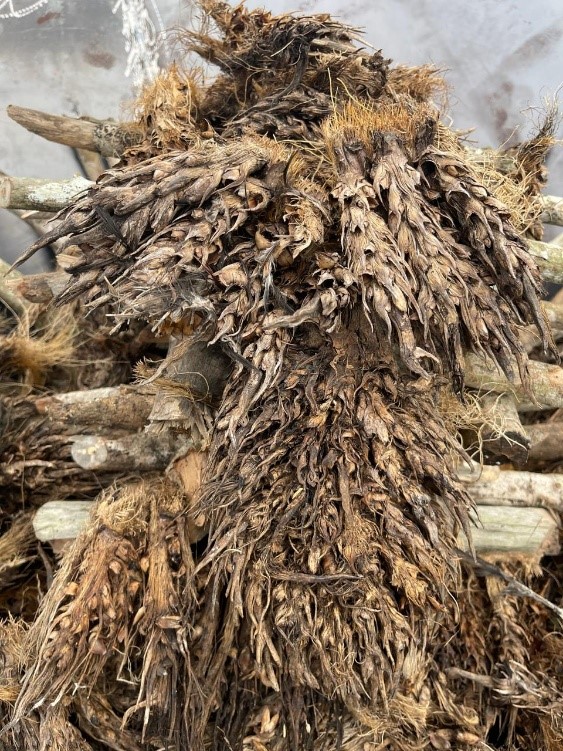
Agricultural residue, including husks, stalks and pruning leftovers after harvesting, is gathered instead of burned.

Crop residue
02
Pyrolysis

Kon-Tiki kiln

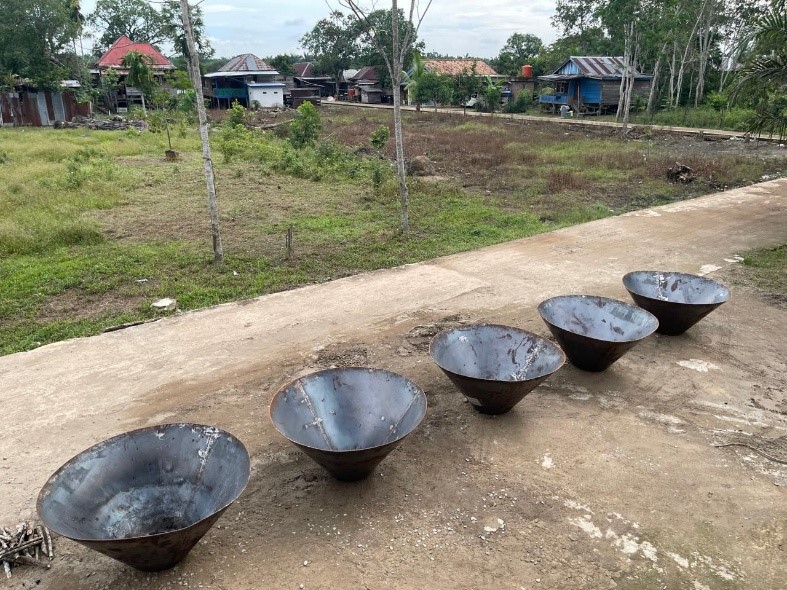
A low-cost flame-cap kiln converts biomass under limited oxygen, generates minimal smoke and requires no electricity.

Kon-Tiki kiln
03
Product

Biochar

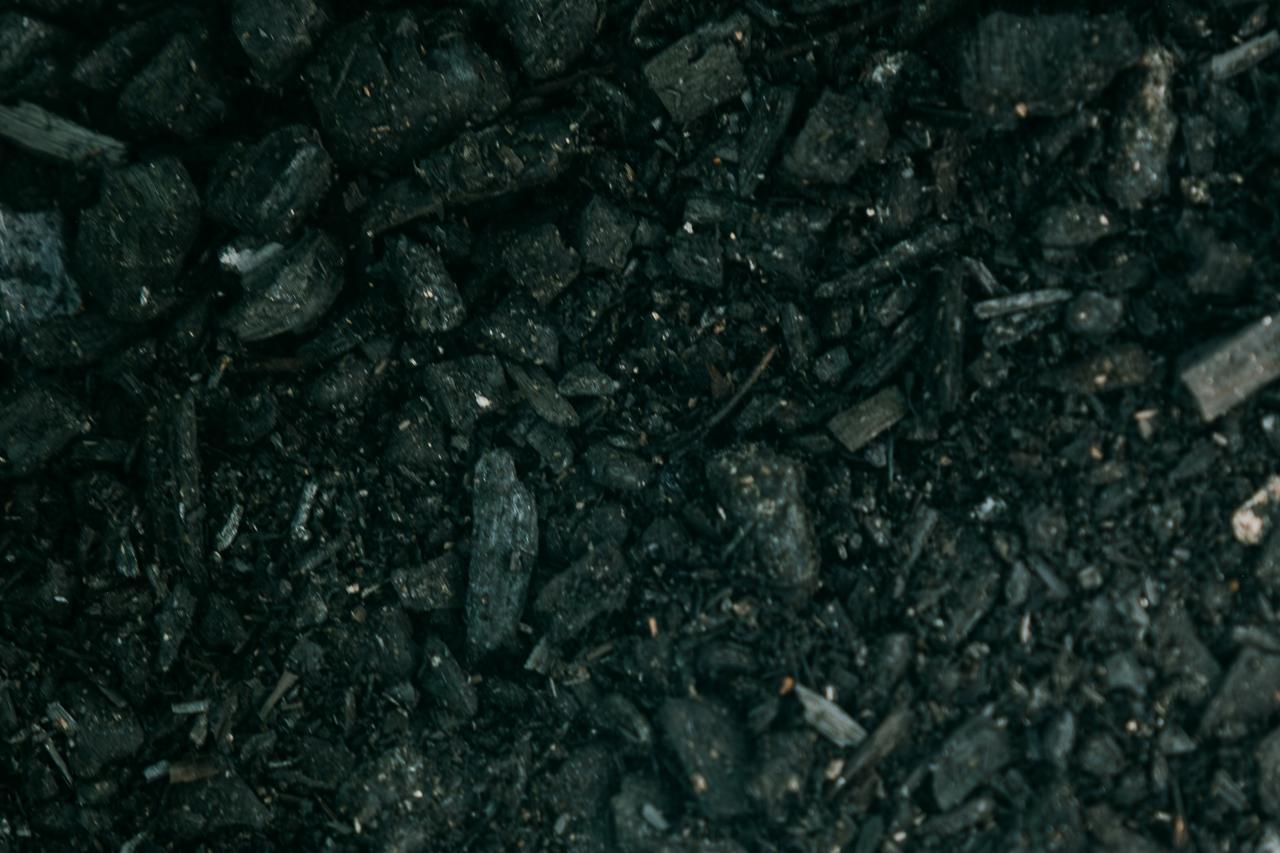
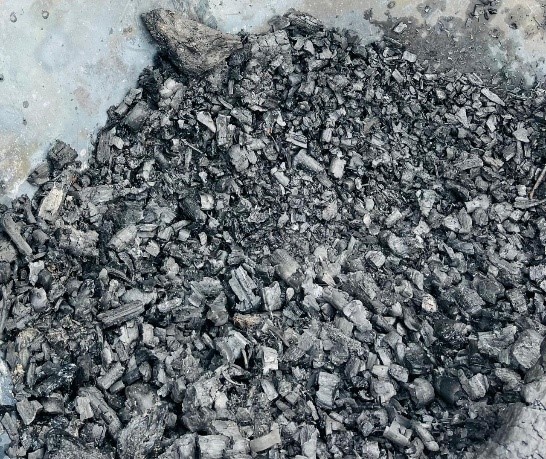
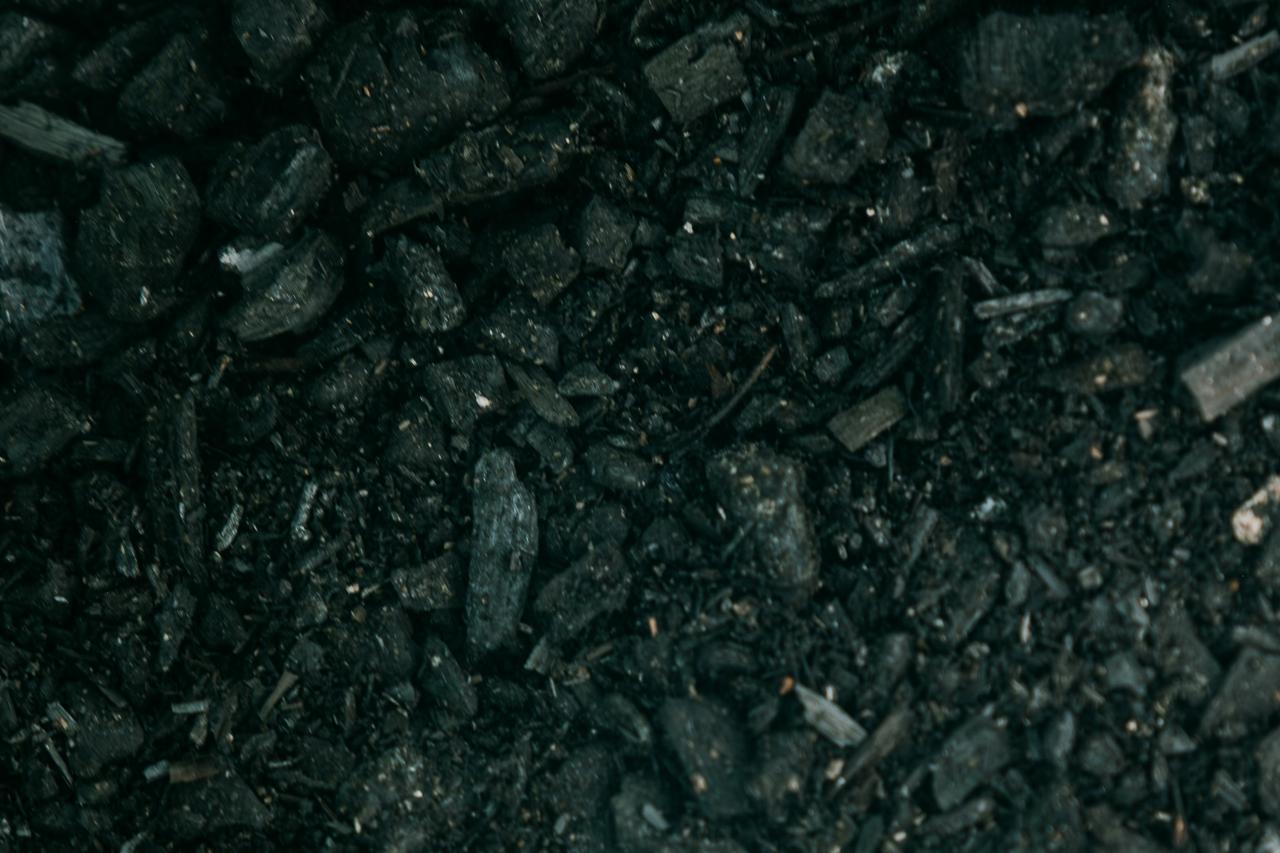
The result is a stable, porous carbon - “black gold” - that holds water and nutrients.

Biochar
04
Application

Soil Amendment

Biochar is applied to the field to improve the soil, support crops and keep carbon in the ground for a long period.

Soil Ammendment
Why biochar

What is Biochar

Think of biochar as a kind of “black gold” for the Earth.

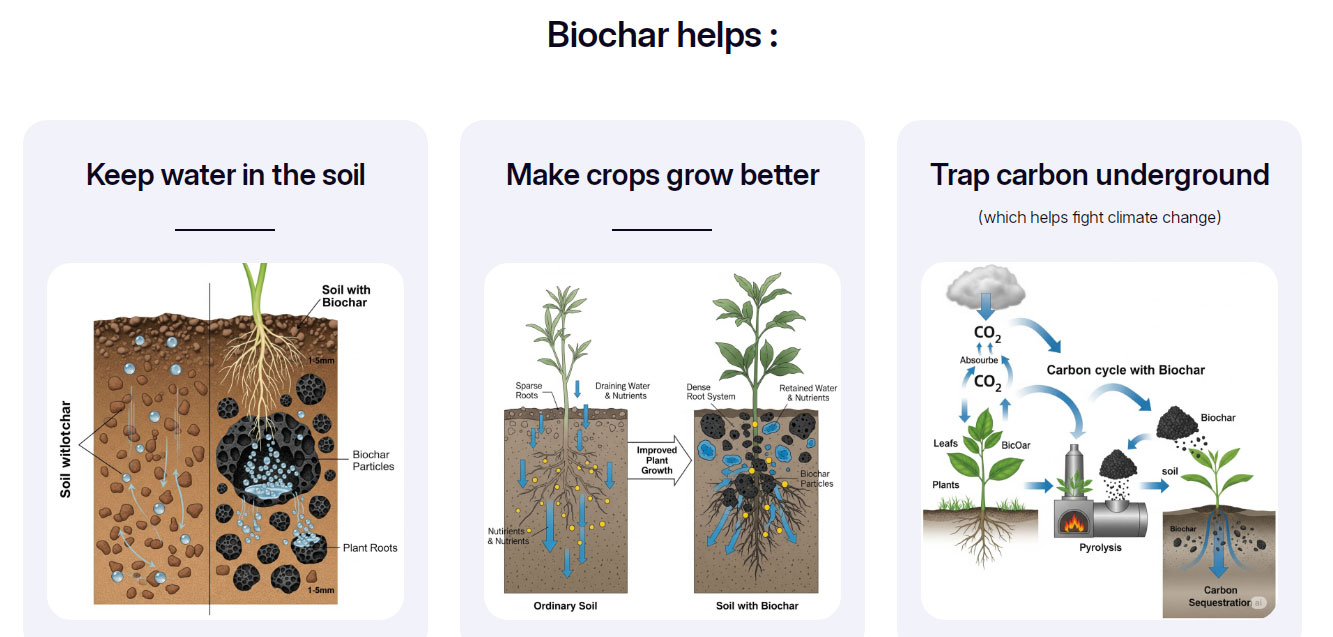
It’s made from farm leftovers, like coconut shells, rice husks, or corn stalks, that would normally be thrown away or burned. Instead of burning them (which causes air pollution), we heat them in a special way without oxygen. This turns the waste into a rich, black charcoal that’s amazing for soil. That’s biochar!

Instead of burning these waste materials, we heat them without oxygen, and turn them into a kind of rich black charcoal that improves soil, helps retain water, and stores carbon underground for hundreds of years.

Biochar
What Is Biochar

It’s a simple, low-cost solution with a big impact. It helps farmers grow more and grow better while healing the Earth.

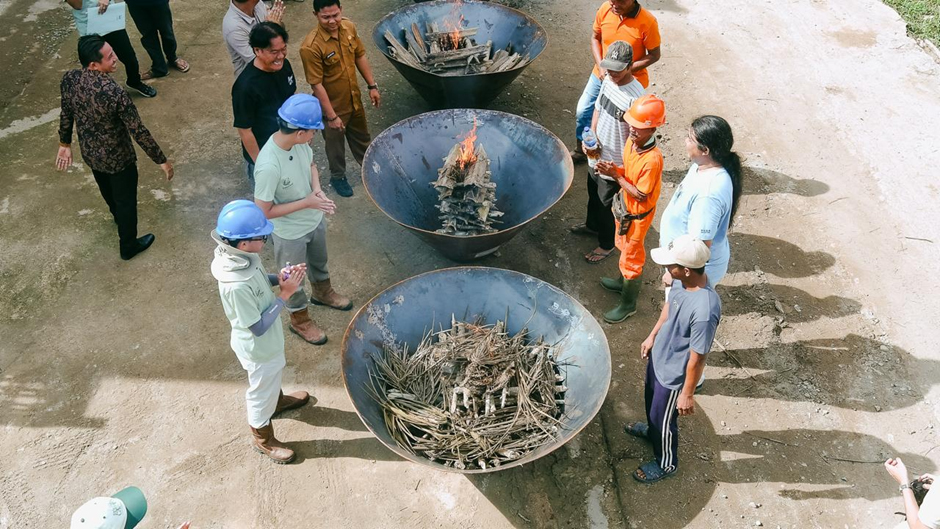
Biochar TeamLighting a Kon-Tiki kiln during village training
In the field

Our Journey:

We’d rather show than tell.

Following the completion of our pilot trial in Lampung, Indonesia, which demonstrated the feasibility of producing biochar from agricultural residues, we are now expanding the initiative to other villages. We have launched our community-based biochar project in Desa Kepayang, South Sumatra, Indonesia in July 2026.

Kepayang project site, Musi Banyuasin
Project site · Kepayang, Musi Banyuasin

Our Kepayang project site

Working with the Kepayang village community in South Sumatra to turn crop and wood residue into biochar using the Kon-Tiki method.

Lampung project site, South Lampung
Project site · South Lampung, Indonesia

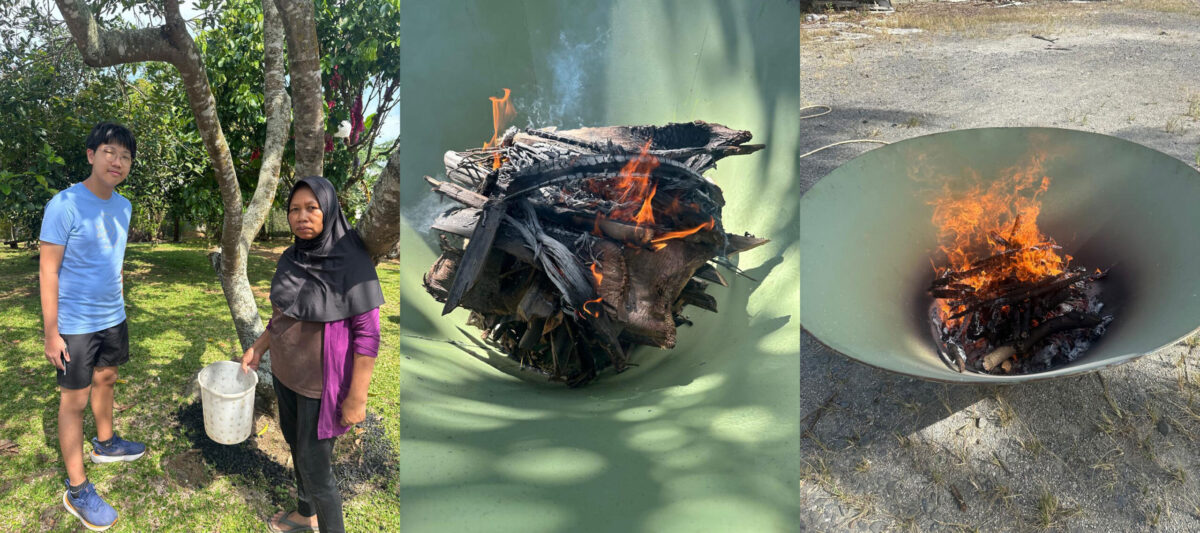
Our Lampung project site

Our first trial and proof of concept for making biochar at 4-5 Oct 2025.

The technology

Kon Tiki kiln : simple and proven technology for small scale biochar

We provide Kon Tiki kiln for village, provide the training to the local villagers to produce the biochar and do monitoring system so they can produce biochar by themselves.

Kon-Tiki kiln biochar technology
Voices from the field

What farmers say about biochar.

Pak Suryadi
“Dulu jerami dan ranting kami bakar begitu saja. Sekarang kami ubah jadi biochar, dan tanah di kebun terasa lebih gembur. Panen padi musim ini paling baik dalam beberapa tahun.”

We used to just burn the straw and branches. Now we turn them into biochar, and the soil feels softer. This season's rice harvest is the best we've had in years.

Pak Suryadi Rice & rubber smallholder 📍 Kepayang, Musi Banyuasin – South Sumatra
Ibu Ratna
“Awalnya saya ragu, tapi setelah mencoba biochar di lahan jagung, tanaman lebih tahan saat kering. Saya juga senang tidak ada lagi asap pembakaran di dekat rumah.”

At first I was doubtful, but after trying biochar on the maize plot, the plants held up better in the dry spell. And there's no more burning smoke near the house.

Ibu Ratna Maize farmer 📍 Kepayang, Musi Banyuasin – South Sumatra
Pak Wayan Sudira
“Biochar membantu air bertahan lebih lama di petak sawah kami. Bagi kami petani subak, tanah yang sehat adalah warisan untuk anak cucu.”

Biochar helps the water stay longer in our paddy terraces. For us subak farmers, healthy soil is an inheritance for our grandchildren.

Pak Wayan Sudira Rice (subak) farmer 📍 Kepayang, Musi Banyuasin – South Sumatra
Ibu Siti Aminah
“Sejak memakai biochar, sayuran saya tumbuh lebih subur dan saya mengurangi pupuk kimia. Pengeluaran turun, hasil naik.”

Since using biochar, my vegetables grow more lushly and I've cut back on chemical fertiliser. Costs down, yield up — that's what I feel most.

Ibu Siti Aminah Vegetable grower 📍 Garut – West Java
Pak Bakri
“Anak-anak muda IndoChar datang dan mengajari kami cara membuat biochar dengan tungku sederhana. Sekarang limbah panen jadi berguna, bukan lagi masalah.”

The young people from IndoChar came and taught us to make biochar with a simple kiln. Now harvest waste is useful — no longer a problem.

Pak Bakri Maize & groundnut farmer 📍 Kepayang, Musi Banyuasin – South Sumatra
Ibu Marlina
“Tandan kosong sawit yang biasanya menumpuk kini kami olah jadi biochar. Kebun terlihat lebih rapi dan tanah di sekitar pohon lebih hitam dan subur.”

The empty palm fruit bunches that used to pile up, we now turn into biochar. The plot looks tidier and the soil around the trees is darker and richer.

Ibu Marlina Oil-palm smallholder 📍 Kepayang, Musi Banyuasin – South Sumatra
Pak Frans Nubatonis
“Di tempat kami tanah kering dan keras. Biochar membuat tanah menahan sedikit lebih banyak air, dan bibit jagung tumbuh lebih merata. Ini harapan baru bagi lahan kami.”

Where we live the soil is dry and hard. Biochar makes it hold a little more water, and the maize seedlings grow more evenly. This is new hope for our land.

Pak Frans Nubatonis Dryland maize farmer 📍 Kepayang, Musi Banyuasin – South Sumatra
News & updates

From the field and the press.

Partner with us

Four ways to work together.

IndoChar grows through partnership. Whichever role fits you, there's a place in the journey, and we're always looking for more.

Feedstock supplier

Have unused crop or wood residue? Supply the biomass and we'll turn it into biochar together.

Seed funder

Back an early project with seed funding and help us scale biochar to more communities.

Carbon credit offtaker

Carbon credit offtaker

Commit to offtake the high-quality carbon credits and biochar our projects generate.

↗

Research collaboration

Work with us on field trials, soil performance, carbon measurement and practical research that strengthens farmer-led biochar projects.

Our partners & supporters
Partner with us

Grow the project with us.

Whether you're a farmers' community or co-operative, an institution interested in buying carbon credits, an angel investor or a researcher, we'd love to talk. Small starts are how big change gets real.